

How Programming Services Help Scale Your Business Faster

Scaling a business sustainably and at pace requires more than additional staff, increased marketing spend, or expanded physical infrastructure. It requires technology systems that can absorb growing transaction volumes, support expanding teams, automate repetitive operational processes, and deliver consistent performance across every function of the organization without introducing the bottlenecks and breakdowns that derail so many otherwise well positioned growth initiatives. Professional programming services give businesses the ability to build, optimize, and maintain the custom software infrastructure required to support genuine scale, replacing the patchwork of generic tools, manual processes, and disconnected systems that work acceptably at small volumes but create compounding operational friction as the business grows. From automating customer onboarding workflows and integrating previously siloed data systems to building scalable internal platforms that support distributed teams and high volume transaction processing, the right programming services partner provides the technical capability required to remove the operational constraints that would otherwise limit your growth ceiling. Businesses that invest strategically in custom software development through professional programming services consistently find that technology becomes one of their most durable competitive advantages rather than one of their most persistent operational headaches. Technology as a Growth Enabler: The Role of Programming Services Many businesses reach a growth stage where the systems and tools that served them well at smaller scale begin actively constraining further expansion. Manual processes that were manageable with a small team become unsustainable bottlenecks. Generic software tools that covered basic needs begin failing to support the complexity of growing operational workflows. Data stored across disconnected systems makes accurate reporting and informed decision making increasingly difficult. Professional programming services address each of these constraints directly by building custom software solutions calibrated for your specific scale ambitions and operational environment. Automation: Removing the Manual Bottlenecks Limiting Your Growth One of the most immediate and measurable impacts professional programming services deliver for growing businesses is the automation of repetitive manual processes that consume staff time, introduce human error risk, and create operational bottlenecks that slow throughput as transaction volumes increase. Custom developed automation solutions can handle customer onboarding sequences, invoice generation and delivery, inventory updates, order processing workflows, reporting generation, data synchronization across systems, and dozens of other tasks that teams currently handle manually. Every hour recovered from manual process execution is an hour redirected toward higher value activities that directly support growth. Scalable Architecture: Building Systems That Grow With You Generic off the shelf software is built to accommodate a broad range of users but is rarely architected with your specific growth trajectory in mind. Custom software developed through professional programming services can be designed from the beginning with scalable architecture that accommodates increasing data volumes, expanding user bases, higher transaction throughput, and new functional requirements without requiring the expensive system replacement projects that businesses dependent on off the shelf tools frequently face as they grow. Investing in scalable architecture during initial development is significantly more cost effective than rebuilding constrained systems after growth has already been limited by them. System Integration: Connecting Your Technology Ecosystem for Greater Efficiency Growing businesses typically accumulate multiple software tools across different operational functions, and these tools frequently do not communicate with one another effectively. The result is data that must be manually transferred between systems, reporting that requires aggregation from multiple disconnected sources, and workflows that break down at the boundaries between platforms. Professional programming services include the API development and integration work required to connect your technology ecosystem into a coherent and efficient whole, eliminating the manual bridging work that consumes staff time and introduces error risk at every system boundary. Data Visibility: Giving Leadership the Information Required to Scale Confidently Scaling a business confidently requires accurate, timely, and comprehensive operational data. Custom software developed through professional programming services can include purpose built reporting and analytics capabilities that surface the specific metrics your leadership team needs to make informed decisions, identify emerging bottlenecks before they become critical problems, and allocate resources toward the highest impact growth initiatives. Businesses operating with fragmented, manually compiled reporting are consistently slower to identify problems and opportunities than those with integrated real time data visibility built into their core operational systems. Supporting Distributed Teams: Technology That Scales With Your People As businesses grow, teams frequently expand geographically, adding remote workers, additional office locations, or distributed field operations that require consistent access to business systems from any location. Custom platforms developed through professional programming services can be designed specifically to support distributed team workflows, role based access controls, real time collaboration features, and mobile accessibility that generic tools frequently handle inadequately. Technology built around how your team actually works removes the friction that slows distributed teams and ensures that growth in headcount translates directly into growth in output. Benefits of Using Programming Services to Support Business Scaling Automated workflows that eliminate manual bottlenecks constraining throughput as volume grows Scalable system architecture designed to accommodate your specific growth trajectory Integrated technology ecosystem eliminating data silos and manual transfer between platforms Real time operational data visibility enabling faster and more confident leadership decisions Custom platforms that support distributed teams and evolving organizational structures Reduced dependence on off the shelf tools that cannot keep pace with complex growth requirements Frequently Asked Questions: Programming Services and Business Scaling At what stage of growth should a business invest in custom programming services? The right time to invest in custom programming services is when manual processes or generic tools begin creating meaningful operational bottlenecks, when system integration limitations are costing measurable staff time or introducing data accuracy problems, or when your growth ambitions clearly exceed what your current technology infrastructure can support. Many businesses find they reach this point earlier than expected. How do custom software solutions reduce operational costs as a business scales? Custom software reduces operational costs by automating manual processes, eliminating redundant data entry across disconnected systems, reducing error related rework, and enabling a smaller team to manage higher transaction volumes without proportional headcount increases. These efficiency gains compound significantly as volume grows.
Custom Software VS Off The Shelf Solutions Which Is Right For You

The decision between investing in custom software developed through professional programming services and purchasing an off the shelf solution is one that businesses across virtually every industry face at some point in their growth, and it is a decision with significant long term consequences for operational efficiency, scalability, competitive positioning, and total technology cost. Off the shelf software products offer the appeal of immediate availability, predictable subscription pricing, and the reassurance that many other businesses have already validated the platform, but these advantages come with constraints that become increasingly problematic as a business grows more complex, more specialized, or more dependent on unique operational workflows that generic tools were never designed to support. Custom software developed through dedicated programming services, by contrast, is built from the ground up to reflect exactly how your business operates, integrates precisely with your existing systems, and scales according to your specific growth trajectory rather than the feature roadmap priorities of a third party vendor. Understanding where each approach delivers genuine value and where each approach creates meaningful limitations is the foundation of making a smart and well informed technology investment decision for your organization. What Sets a Great Programming Services Provider Apart? The best programming services companies begin every engagement with a thorough discovery process, taking the time to understand your business model, operational workflows, existing technology infrastructure, and growth objectives before writing a single line of code. Reputable providers communicate clearly about project timelines, deliverables, technology choices, and the reasoning behind every architectural decision. They maintain transparent pricing structures, provide detailed project documentation, and offer meaningful post launch support that ensures your software continues to perform reliably as your business evolves. A truly capable programming services partner acts less like a vendor and more like a strategic technology collaborator invested in the long term success of your organization. Core Services Offered by Top Programming Services Providers Leading programming services companies deliver a comprehensive range of development capabilities including custom web application development, mobile application development for iOS and Android platforms, API development and third party system integration, database architecture and optimization, enterprise software development, legacy system modernization, and ongoing maintenance and support programs. The best providers bring full stack development expertise, meaning their teams can handle both the client facing front end interfaces your users interact with and the server side back end systems that power your application’s logic, data management, and performance at scale. Businesses benefit most from providers who can deliver end to end development capability rather than fragmented services requiring coordination across multiple vendors. Why Technical Depth and Business Understanding Both Matter Exceptional programming services require more than technical execution capability. The most effective development partners combine deep technical knowledge with a genuine understanding of business operations, user behavior, and the strategic goals driving your software investment. A provider who understands your industry can anticipate edge cases, design for scalability from the beginning, and make architecture decisions that reduce technical debt over time. Providers who treat every project as a pure coding exercise without engaging with the business context behind the requirements consistently deliver solutions that require expensive rework or fail to gain meaningful adoption within the organizations they were built to serve. Business aligned technical thinking is what separates good programming services from genuinely transformative ones. Questions to Ask Before You Book a Programming Services Provider Before committing to a programming services engagement, ask about the provider’s experience with projects of similar scope and complexity, the composition and location of the development team, how project communication and progress reporting are handled, what quality assurance and testing processes are applied throughout development, how scope changes are managed and priced, and what post launch support options are available. Reputable providers answer these questions clearly, provide relevant case examples, and demonstrate genuine understanding of your specific requirements rather than offering generic responses. What to Look for in a Programming Services Provider Demonstrated experience across a range of industries and project types Full stack development capability covering both front end and back end systems Transparent project timelines, pricing structures, and scope management processes Rigorous quality assurance and testing practices applied throughout development Positive client reviews and verifiable project case examples Meaningful post launch support and maintenance programs Taking the time to evaluate programming services providers carefully before beginning a project ensures your software investment delivers lasting value and supports your business objectives at every stage of growth. Benefits of Hiring a Professional Programming Services Company Software designed specifically for your business workflows and operational requirements Scalable architecture that supports growth without requiring expensive system replacements Reduced dependence on generic tools that constrain how your team works Expert technical guidance at every stage from planning through post launch support Long term competitive advantage through proprietary technology built to your specifications Partnering with a trusted programming services provider gives businesses the technical foundation required to operate more efficiently, scale more confidently, and compete more effectively in an increasingly technology dependent marketplace. Frequently Asked Questions: Programming Services How do I find the best programming services provider for my business? Look for providers with demonstrated experience in projects of similar scope and industry context, transparent pricing and communication practices, full stack development capability, and verifiable client references or case studies. The best providers take time to understand your business before proposing a solution. How much do professional programming services typically cost? Project costs vary significantly based on scope, complexity, team composition, and timeline. Reputable providers will offer detailed project scoping and transparent cost breakdowns before work begins so you have a clear picture of your investment before committing. How long does a custom programming project typically take to complete? Timeline depends on project complexity and scope. Smaller web applications or internal tools may be completed within weeks, while larger enterprise platforms or multi integration systems can require several months of structured development. A reliable provider will give you a realistic timeline during the discovery and scoping phase. What ongoing support should I expect after my software
What Do Programming Services Include Complete Guide Businesses

Understanding what reliable programming services actually include is one of the first and most important steps any business leader should take before engaging a development provider or budgeting for a software investment. The term programming services covers a broad and often misunderstood spectrum of technical capabilities, from initial discovery and systems architecture planning through front end and back end development, database design, third party integrations, quality assurance testing, deployment, and long term maintenance support. Many business owners approach their first development engagement with a narrow view of what the process involves, expecting simply that a team will receive a list of features and return a finished product, only to discover that professional software development is a highly structured discipline requiring careful planning, ongoing collaboration, and disciplined project management at every stage. The scope of programming services your business requires will depend on the nature of the solution you need, the complexity of your existing technology environment, the scale at which your software must operate from day one, and the pace at which your requirements are likely to evolve over time. A clear and accurate understanding of what professional programming services encompass allows business leaders to ask better questions, set realistic expectations, evaluate provider proposals with greater confidence, and ultimately make investment decisions that deliver lasting value rather than costly disappointment. The Full Scope of What Programming Services Cover Professional programming services extend well beyond writing code. The development lifecycle begins with a structured discovery phase during which the provider works closely with your team to document business requirements, define user workflows, map existing system dependencies, and establish the technical architecture that will underpin the entire project. This phase is foundational because decisions made during discovery directly influence every subsequent stage of development. Skipping or shortchanging discovery is one of the most common reasons software projects exceed their budgets or fail to meet business requirements upon delivery. Discovery and Requirements Documentation Before any development work begins, quality programming services providers conduct thorough discovery sessions to capture your business objectives, user requirements, technical constraints, and success criteria in precise detail. This process results in documented specifications that serve as the foundation for all development decisions, scope management conversations, and acceptance testing throughout the project. Businesses that invest properly in discovery consistently experience smoother development cycles, fewer scope disputes, and higher satisfaction with final deliverables. Front End Development Front end development encompasses everything a user sees and interacts with directly, including the visual interface design implementation, navigation structures, interactive components, forms, dashboards, and the responsive behavior that ensures your application performs correctly across desktop, tablet, and mobile environments. Front end development translates design specifications into functional, performant, and accessible user experiences that reflect your brand and support your users’ workflows without friction. Back End Development Back end development covers the server side systems, application logic, data processing rules, and infrastructure that power everything happening behind the scenes of your software. This includes the databases storing your information, the APIs enabling communication between system components, the authentication and security frameworks protecting your data, and the business logic governing how your application behaves in response to user actions and external inputs. Robust back end development is what determines whether your software performs reliably at scale. API Development and Third Party Integrations Most modern business software must communicate with other systems, whether that means connecting to payment processors, accounting platforms, customer relationship management tools, logistics systems, or communication services. Programming services include the design and development of APIs that enable these connections, as well as the integration work required to ensure data flows accurately and securely between your new software and your existing technology ecosystem. Seamless integrations are frequently among the most technically complex components of a development project and require significant expertise to execute reliably. Quality Assurance and Testing Professional programming services always include structured quality assurance processes applied throughout development rather than only at the end of a project. This includes unit testing of individual code components, integration testing to verify that system parts work correctly together, performance testing under simulated load conditions, security vulnerability assessments, and user acceptance testing that confirms the software meets the requirements documented during discovery. Rigorous testing is what separates software delivered with confidence from software that fails in production under real world conditions. Deployment and Post Launch Support The delivery of your software includes structured deployment to your production environment, configuration of hosting infrastructure, documentation of system architecture and maintenance procedures, and the transition of knowledge required for your team to operate the platform confidently. Reputable programming services providers also offer post launch support agreements covering bug resolution, performance monitoring, security patching, and iterative feature development as your business requirements evolve after the initial release. Benefits of Understanding the Full Scope of Programming Services More accurate budgeting based on realistic project scope and phase requirements Better ability to evaluate and compare proposals from competing providers Clearer communication with your development team throughout the engagement Reduced risk of scope surprises, budget overruns, or missed requirements Higher confidence that the final software will meet your actual business needs Frequently Asked Questions: What Programming Services Include Do programming services always include design as well as development? Many programming services providers offer integrated design and development, while others focus purely on development and expect design assets to be provided. Confirm what is included in the scope before signing any agreement and clarify whether UX design, visual interface design, and responsive design are covered under the quoted program. Is project management included in programming services? Reputable providers include dedicated project management as a core part of their service offering. This covers sprint planning, progress reporting, scope management, stakeholder communication, and issue resolution throughout the development lifecycle. Confirm how project management is handled and who your primary point of contact will be. What does post launch support typically cover in a programming services engagement? Post launch support commonly covers bug resolution, security updates, performance monitoring, minor feature enhancements, and technical documentation updates. The
Best Programming Services Custom Software Solutions

Businesses searching for reliable programming services have more options than ever before, yet choosing the right development partner remains one of the most consequential decisions a company can make in today’s technology driven marketplace. Whether your organization needs a fully custom web application, a proprietary internal tool, an integrated business management platform, or a scalable software solution designed to support growth across multiple departments, the programming services provider you select will directly shape the quality, reliability, and long term value of every system you depend on. From small independent businesses automating their first operational workflows to mid size and enterprise organizations undertaking complex multi platform development initiatives, professional programming services deliver structured, scalable, and maintainable solutions that off the shelf software simply cannot match. The difference between a development partner with genuine technical depth and one offering surface level solutions becomes apparent quickly, which is why evaluating providers carefully before committing to a project is essential for protecting both your investment and your operational continuity. Skilled programming teams bring not only technical execution capability but also strategic thinking, systems architecture knowledge, and the project management discipline required to deliver complex software on time and within scope. For businesses ready to move beyond generic tools and invest in technology built specifically for how they operate, understanding what to look for in a programming services provider is the essential first step. What Sets a Great Programming Services Provider Apart? The best programming services companies begin every engagement with a thorough discovery process, taking the time to understand your business model, operational workflows, existing technology infrastructure, and growth objectives before writing a single line of code. Reputable providers communicate clearly about project timelines, deliverables, technology choices, and the reasoning behind every architectural decision. They maintain transparent pricing structures, provide detailed project documentation, and offer meaningful post launch support that ensures your software continues to perform reliably as your business evolves. A truly capable programming services partner acts less like a vendor and more like a strategic technology collaborator invested in the long term success of your organization. Core Services Offered by Top Programming Services Providers Leading programming services companies deliver a comprehensive range of development capabilities including custom web application development, mobile application development for iOS and Android platforms, API development and third party system integration, database architecture and optimization, enterprise software development, legacy system modernization, and ongoing maintenance and support programs. The best providers bring full stack development expertise, meaning their teams can handle both the client facing front end interfaces your users interact with and the server side back end systems that power your application’s logic, data management, and performance at scale. Businesses benefit most from providers who can deliver end to end development capability rather than fragmented services requiring coordination across multiple vendors. Why Technical Depth and Business Understanding Both Matter Exceptional programming services require more than technical execution capability. The most effective development partners combine deep technical knowledge with a genuine understanding of business operations, user behavior, and the strategic goals driving your software investment. A provider who understands your industry can anticipate edge cases, design for scalability from the beginning, and make architecture decisions that reduce technical debt over time. Providers who treat every project as a pure coding exercise without engaging with the business context behind the requirements consistently deliver solutions that require expensive rework or fail to gain meaningful adoption within the organizations they were built to serve. Business aligned technical thinking is what separates good programming services from genuinely transformative ones. Questions to Ask Before You Book a Programming Services Provider Before committing to a programming services engagement, ask about the provider’s experience with projects of similar scope and complexity, the composition and location of the development team, how project communication and progress reporting are handled, what quality assurance and testing processes are applied throughout development, how scope changes are managed and priced, and what post launch support options are available. Reputable providers answer these questions clearly, provide relevant case examples, and demonstrate genuine understanding of your specific requirements rather than offering generic responses. What to Look for in a Programming Services Provider Demonstrated experience across a range of industries and project types Full stack development capability covering both front end and back end systems Transparent project timelines, pricing structures, and scope management processes Rigorous quality assurance and testing practices applied throughout development Positive client reviews and verifiable project case examples Meaningful post launch support and maintenance programs Taking the time to evaluate programming services providers carefully before beginning a project ensures your software investment delivers lasting value and supports your business objectives at every stage of growth. Benefits of Hiring a Professional Programming Services Company Software designed specifically for your business workflows and operational requirements Scalable architecture that supports growth without requiring expensive system replacements Reduced dependence on generic tools that constrain how your team works Expert technical guidance at every stage from planning through post launch support Long term competitive advantage through proprietary technology built to your specifications Partnering with a trusted programming services provider gives businesses the technical foundation required to operate more efficiently, scale more confidently, and compete more effectively in an increasingly technology dependent marketplace. Frequently Asked Questions: Programming Services How do I find the best programming services provider for my business? Look for providers with demonstrated experience in projects of similar scope and industry context, transparent pricing and communication practices, full stack development capability, and verifiable client references or case studies. The best providers take time to understand your business before proposing a solution. How much do professional programming services typically cost? Project costs vary significantly based on scope, complexity, team composition, and timeline. Reputable providers will offer detailed project scoping and transparent cost breakdowns before work begins so you have a clear picture of your investment before committing. How long does a custom programming project typically take to complete? Timeline depends on project complexity and scope. Smaller web applications or internal tools may be completed within weeks,
Common Web Design Services Offered by Sunstone Digital Tech for Small Businesses

Common web design services offered by Sunstone Digital Tech are designed to support small businesses in achieving their digital goals. We provide comprehensive solutions like website redesign, WordPress development, Shopify development, and ongoing website maintenance.
Common Web Design Services Offered by Sunstone Digital Tech for Small Businesses
Common web design services offered by Sunstone Digital Tech are designed to support small businesses in achieving their digital goals. We provide comprehensive solutions like website redesign, WordPress development, Shopify development, and ongoing website maintenance. Overview of Web Design Services Introduction to Web Design Services Web design services cover a wide range of offerings that aim to create and improve websites. These services include website development, custom website design, and responsive web design. A well-designed website is key to building a strong online presence. It attracts visitors and helps engage users effectively. Custom website design allows businesses to shape their sites based on specific needs and branding requirements. This ensures the final product connects with their target audience. Website development services deal with the technical aspects of creating a site from scratch or upgrading existing ones. This includes coding, integrating content management systems (CMS) like WordPress or Shopify, and adding e-commerce features for businesses looking to sell products online. The right mix of these components creates a strong digital platform that supports various business objectives. Learn more: “Best Web Design Practices for Beginners: Sunstone Digital Tech Guide” and “How to Choose a Web Design Agency: Essential Tips” Benefits of Professional Web Design Investing in professional web design brings many benefits that can greatly influence a company’s success. One major benefit is improved user experience (UX) design; an easy-to-use layout helps visitors navigate the site without hassle, boosting satisfaction and retention rates. Plus, mobile-friendly designs are crucial in today’s world; they allow smooth access across devices—important for reaching more people. Branding is also essential in professional web design. It creates a visual identity through consistent colors, fonts, and images aligned with company values. Good branding builds trust among customers while helping businesses stand out from competitors. Moreover, strategies for conversion rate optimization (CRO) integrated into web design help turn visitors into customers by making it easier for them to take actions like buying or inquiring. Importance of Responsive Web Design Responsive web design plays a critical role in creating websites that adjust smoothly to different screen sizes—from desktops to smartphones—providing the best viewing experience on any device. As many users depend on mobile devices for internet browsing, prioritizing mobile optimization has become vital for staying relevant in competitive markets. User interface (UI) design supports responsive efforts by focusing on how users interact with digital interfaces; this involves button placement, menus, and overall appearance tailored for various screens. By adopting responsive techniques along with thoughtful UI choices within your web development plan, you ensure accessibility while maximizing usability—a crucial factor influencing visitor engagement and search engine rankings. In summary, we offer extensive web design services aimed at crafting visually appealing sites while enhancing functionality through strategic planning focused on user experience—all key elements contributing to effective online presence management. Core Website Development Solutions Custom Website Development Custom website development is crucial for businesses wanting a unique online presence. This includes custom website design that aligns with a brand’s identity and user preferences. Companies can rely on comprehensive website development services to create visually appealing and functional sites. Additionally, web app development enhances the user experience by adding interactive features that improve website usability. Effective digital branding strategies are vital for building a strong online image and ensuring consistency across all platforms. WordPress Development WordPress development is one of the top choices for content management systems due to its ease of use and flexibility. It allows businesses to manage their websites without needing extensive technical skills. Integrating robust SEO services into WordPress sites can greatly increase visibility in search engines. Mobile optimization is also important, and responsive web design ensures that websites work well on various devices. Together, these features empower brands to maintain a strong online presence while effectively managing their content. Shopify Development Shopify development provides specialized solutions for e-commerce businesses looking to thrive online. E-commerce web design focuses on creating attractive and user-friendly storefronts that engage customers. Key components include payment integration and SSL certificates, which ensure secure transactions. These elements build customer trust, a crucial factor in driving sales and enhancing overall business performance through reliable online business solutions. Additional Considerations for Website Development Website Performance Optimization Website performance optimization is essential for any successful site. Techniques aimed at improving loading speeds help enhance user experience. Using analytics tracking tools offers insights into visitor behavior, enabling continuous improvement based on real-time data. Security Measures Prioritizing security measures is necessary within any web strategy. Implementing robust website security protocols alongside SSL certificates protects sensitive customer information from cyber threats. This protection is increasingly important as data breaches become more common in the digital landscape. Client Portal Development Client portal development adds value by creating personalized spaces where clients can access resources or communicate directly with service providers. This feature fosters stronger relationships between businesses and their clientele by promoting transparency and accessibility. Specialized E-commerce Solutions E-commerce Website Development Creating an effective e-commerce website is key to establishing an online presence. This involves e-commerce web design that focuses on user engagement. Businesses benefit from custom website design which aligns the site with their brand identity. When looking for website development services, popular choices are Shopify and WordPress. Shopify development allows for easy store setup with built-in payment options, while WordPress development offers flexibility through various plugins and themes, making it suitable for different business needs. Payment Integration and SSL Certificates Website security plays a vital role in e-commerce, especially when dealing with customer data during transactions. Proper payment integration ensures customers can pay using various methods like credit cards or digital wallets, which enhances their shopping experience. Alongside secure payment systems, SSL certificates are essential. They encrypt information shared between customers and the site. This protects against threats and builds consumer trust—an important part of strong digital branding. UX/UI in E-commerce Sites The success of an e-commerce platform depends largely on its UX/UI design. A good user experience (UX) makes navigation easy, helping users find products quickly. Effective UI design combines visuals with functionality, leading to engaging interactions. A mobile-friendly design is increasingly necessary as
Top Web Design Trends for Small Businesses: Boost Your Online Presence

Top web design trends for small businesses can transform your site into one of the best small business websites. By focusing on aspects like website maintenance and WordPress development, small businesses can effectively utilize responsive web design and e-commerce web design to boost their online presence. Small Business Web Design This Year Small business web design is changing quickly. More shoppers are looking online for services and products. This shift makes having a strong online presence vital. Trends this year focus on creating user-friendly websites. These sites not only attract visitors but also turn them into loyal customers. Importance of Online Presence A good online presence is key for small businesses to succeed today. Digital marketing is focusing on engaging website designs that improve user experience. If needed, businesses may want to redesign their websites. Modern looks and functions keep your site relevant and effective. To boost visibility, effective online presence optimization includes: SEO techniques Social media integration Quality content creation A well-designed website can change how customers view a brand. Businesses should prioritize intuitive navigation and clear calls-to-action (CTAs) so users can easily find what they need. Learn more: “Web Design Tips for Startups: Creating User-Friendly Websites” Key Design Elements Responsive web design is a must-have for small business websites. Today, consumers use various devices like smartphones and tablets, so ensuring your site works well on all screens is essential. Using UX/UI best practices improves usability by focusing on user interactions with your site. Innovative navigation systems guide visitors smoothly through content. Plus, mobile-friendly designs make sure the site performs well on phones and tablets. All these elements work together for both good looks and functionality. Responsive Design Essentials Responsive design is more than just fitting different screens; it starts with a mobile-first approach. This means designing for mobile users before adapting for desktops. Mobile-First Approach The mobile-first strategy is about making websites mainly for mobile devices first and then adding features for desktops later. This aligns with how people browse online now; fast loading times matter a lot because slow sites turn potential customers away quickly. User experience connects closely with page speed: faster pages lead to lower bounce rates and higher conversion rates as happy users move through content that meets their needs. Fluid Layouts Fluid layouts are another important trend in responsive web design this year. They allow elements within a webpage to resize based on the screen size rather than sticking to fixed dimensions. This flexibility helps create a consistent look no matter the device or screen resolution while adjusting to different browsing situations. By using these responsive design trends wisely, small businesses can craft adaptable designs that meet audience expectations while boosting overall visitor satisfaction! Visual and Interactive Trends Color Trends for Impact Color is key in web design. It affects how users feel and act. Knowing color psychology helps designers make websites that connect with people. Bold palettes are trendy now; they catch the eye and send strong messages. Dark mode design is also popular. It makes reading easier and looks good, especially on phones. Sustainable web design matters too. Designers choose eco-friendly colors to lessen their website’s environmental impact. This approach fits well with what younger people care about—sustainability. Using these color trends can lead to more exciting designs that draw in visitors and strengthen brand identity. Typography Evolution Typography has changed a lot over time. Right now, typography trends focus on expressive fonts that show personality while staying easy to read on all devices. Readability is super important; it helps everyone engage with content easily. User-friendly websites mix different font sizes and styles to guide readers through text. Combining modern sans-serif fonts with classic serifs adds visual interest without losing clarity. For small businesses wanting an online presence, good typography boosts communication and brand recognition. Interactive Elements Interactive web design makes sites more fun and engaging by adding elements like micro-interactions, gamified designs, and motion graphics. Micro-interactions provide feedback during tasks, like when you hover over buttons or finish forms. This keeps users informed about what they’re doing on the site. Gamified design uses game-like features to encourage users to take specific actions, like earning rewards for completing tasks on a website or app. Motion graphics bring life to a page by highlighting important info or smoothly guiding users through sections. These interactive elements improve usability and create memorable experiences between small businesses and customers, making online visits special. User Experience and Functionality UX/UI Best Practices Creating a user-friendly website is very important for businesses that want to attract and keep customers. Good UX (User Experience) design improves how users feel when they visit a site. It focuses on understanding what users need and how they behave. This leads to easy-to-use interfaces that allow for smooth navigation. On the other hand, UI (User Interface) design makes sure that visual elements look nice and work well. To boost website functionality, companies should focus on innovative navigation systems. These systems help users find what they are looking for quickly. Best practices include keeping the layout consistent, using clear menu labels, and making the search feature easy to find. Following these best practices can greatly improve a business’s online presence. Intuitive Navigation Intuitive navigation is key to having user-friendly websites. A well-organized menu helps users get the information they want without feeling lost. Breadcrumbs can also guide users through the site structure, making it easier to use. Innovative techniques can include sticky headers or menus that collapse based on screen size. These features enhance website functionality by allowing quick access while keeping the interface clean. Streamlined Forms Lead generation forms are essential for converting visitors into customers. To boost conversion rates, it’s smart to simplify these forms by reducing the number of fields to only what’s necessary. Adding auto-fill options can make completing forms faster. Using attractive designs and clear calls-to-action encourages users to interact with these forms. This keeps the flow of information organized and effective for marketing strategies. Speed Optimization Website performance matters
Guide to Creating Responsive Web Designs

Creating responsive web designs is essential for any modern website, and our guide offers the best practices you need to follow. From understanding fluid grids to flexible images, this beginner’s guide will help you master responsive design techniques. Understanding Responsive Web Design Basics Responsive web design (RWD) is a way to build websites that look good on any device, like computers and smartphones. It helps users have a good experience no matter the screen size. RWD uses flexible layouts and images, along with CSS media queries, to change how a website looks based on the device being used. Why Choose Responsive Web Design? Choosing responsive web design has many benefits for businesses and users. One big advantage is better user experience (UX). A responsive site makes it easy for people to navigate on smaller screens, which leads to higher engagement rates. Users can find content without needing to zoom or scroll too much. Another important reason for using RWD is its impact on SEO. Search engines prefer sites that work well across different devices. When your website is optimized for all devices, it’s likely to rank higher in search results, bringing in more visitors. Benefits of Responsive Design The perks of responsive design go beyond just looks; they can help with: User Engagement: Flexible layouts let users interact easily on any device. Cost Efficiency: Having one website saves money compared to running separate sites for desktop and mobile. Brand Consistency: It keeps your brand uniform across all platforms. Impact on SEO Responsive web design follows SEO best practices by improving key website performance metrics like load times and bounce rates. Google recommends RWD because it simplifies indexing; having one URL for each piece of content makes it easier for search engines to crawl your site effectively. You can also boost your visibility in search results by optimizing images and using the right HTML tags within a responsive layout. Learn more: Best Practices for Responsive Web Design: Essential Tips and How to Create a Mobile Responsive Website: Best Practices Responsive vs. Adaptive Design: Key Differences Both responsive and adaptive designs aim to improve user experience across various devices but do so in different ways: Responsive Web Design adapts fluidly based on screen sizes using flexible grids. Adaptive Design has set layouts made for specific screen sizes. Characteristics of Each Approach Knowing their characteristics helps you choose the right method: Design Principles: Responsive designs rely on fluidity while adaptive designs use fixed layouts. Site Responsiveness: RWD adjusts based on viewport changes; adaptive designs may need extra coding when new devices come out. When to Use Which Method Choosing between these methods depends on what you need from a user-centered design perspective: Go with responsive if you want your site to adapt easily over time as tech changes. Pick adaptive if you want to focus on specific audiences who mostly use certain devices or sizes. By understanding the basics of responsive web design, you not only become more skilled but also improve your position in today’s digital world where diverse device usage is growing fast. Core Techniques for Responsive Design Mobile-First Approach: A Foundation for Success The mobile-first approach is key in responsive web design. It means you start by designing for mobile devices before moving to larger screens. This helps improve user experience because it makes sure the most important content is easy to find on small screens where space is tight. When using a mobile-first design, keep these points in mind: Prioritize Content: Focus on what users need first. Identify essential information and make it easy to find. Simplified Navigation: Use clear menus and buttons that are easy to tap on smaller screens. Performance Optimization: Reduce image sizes and optimize scripts to load quickly. Fast sites keep users engaged. This strategy not only boosts website usability across devices but also improves search engine rankings. Google tends to favor mobile-friendly sites. Fluid Grids and Layouts: Creating Flexible Structures Fluid grids are the heart of responsive web design. They allow layouts to adjust smoothly to different screen sizes. Instead of fixed widths, fluid grids use relative units like percentages, letting designs change automatically based on device size. Here are some important features: Flexible Layouts: Allow content blocks to resize proportionately instead of being stuck in set sizes. CSS Units Usage: Use CSS units like ems or rems with percentages for scalable typography and spacing. Visual Hierarchy Maintenance: Keep visual hierarchy consistent on any screen size by adjusting font sizes and spacing as needed. Using fluid grids makes your site look better and keeps users interested with easy-to-read content. Mastering Media Queries and Breakpoints Media queries are essential in responsive web design. They let developers apply specific styles based on device features like width or orientation. By setting breakpoints, you can adjust your site’s layout at different screen sizes. Here’s what to do with media queries: Define Breakpoints Wisely: Choose common breakpoints for standard device widths (like 320px for phones up to 1200px+ for desktops). Test your designs on actual devices used by your audience. Adapt Styles Efficiently: Change CSS properties, like font size or position, at each breakpoint without duplicating entire stylesheets. This keeps your code clean. Utilize Viewport Settings Properly: Make sure to set viewport meta tags correctly in HTML so browsers render pages well on different devices. By mastering media queries along with smart breakpoints, you create designs that offer a consistent digital experience no matter how users access them. Responsive Images and Media: Optimizing Visual Content In today’s online world, responsive images are a must-have. These flexible images change size to fit different screens, like smartphones and tablets. This means users can see great visuals without losing quality. It’s really important because many people browse the web on their mobile devices. SVG (Scalable Vector Graphics) is a popular choice for responsive graphics. Unlike JPEG or PNG files, SVG images stay sharp no matter the size. They work well on high-resolution displays, giving clear visuals without slowing down the website much. Using SVG graphics can help you keep up with visual design trends while also
Benefits of Professional Website Design Services: Why Hiring a Web Development Company is Essential

Benefits of professional web design services extend beyond aesthetics; they enhance functionality and user experience. When you hire a web design company, you gain expertise in e-commerce website development, landing page design, and ongoing website maintenance, which are critical for your online success. Enhance User Experience Importance of User-Centric Design User experience (UX) is super important for keeping visitors on your site. A design that focuses on users makes it easy for them to find what they need. When users can navigate without trouble, they feel happier. Happy users are more likely to return. This shows how helpful user engagement strategies can be. Hiring a professional for website design can lead to more satisfied visitors and higher chances of them coming back. Impact of Mobile-Friendliness More people now use their phones to browse the internet. Because of this, having a mobile-friendly design isn’t just nice; it’s a must! Responsive web design changes based on screen size, making sure everything looks good no matter what device is used. This design doesn’t just help looks; it also makes it easier for users to get around on smaller screens. Plus, being mobile-friendly can help your search engine ranking since Google likes sites that work well on phones. Learn more: “Affordable Custom Web Design Services for Small Businesses” and “Best Web Design Practices for Beginners: Sunstone Digital Tech Guide” Boost SEO Performance Role of Web Design in SEO The way a website is designed has a big impact on its SEO performance. Good web design helps search engines crawl and index your site better. Professional web designers know how to make sites SEO-friendly with proper tagging and clean URLs. These practices can increase online visibility and attract more traffic. By investing in quality web design, you set up a foundation for long-term benefits through better digital marketing outcomes. Technical Aspects Affecting SEO A well-structured website isn’t just pretty; it also affects important technical things like loading speed and how easily search engines find your pages. Optimizing website performance is key because faster load times mean less chance of losing visitors. Users stay longer when pages load quickly, which can increase conversion potential too. Effective landing pages guide users towards actions you want them to take while improving overall site performance. Increase Conversion Rates Elements That Drive Conversions To boost conversion rates, your site layout needs to guide visitors smoothly toward actions like signing up or buying something. Thoughtful web designs focus on user habits, creating clear paths that lead them where you want them to go. The Importance of Trust Signals Adding trust signals—like customer testimonials or industry certifications—builds credibility with potential customers visiting your site for the first time. When users trust a website, they are more likely to become loyal clients or make purchases. Trust plays a big role in raising conversion rates across e-commerce platforms. Specialized Services Responsive Web Design Responsive web design is super important today. It helps websites look good on all devices like phones, tablets, and computers. The benefits of responsive web design include better user experience and higher online visibility. A mobile-friendly design makes it easy for users to engage with your site since it adjusts to different screen sizes. This flexibility keeps visitors interested and can improve search engine rankings because search engines prefer sites that work well on all devices. UX/UI Design UX/UI design plays a big role in making websites effective. User experience (UX) is all about how visitors interact with the site. User interface (UI) focuses on how the site looks and feels. Using solid user engagement strategies can boost website functionality and help with conversion rate optimization. When businesses create easy-to-use layouts and smooth navigation, they ensure that their sites attract visitors and keep them happy. E-commerce Website Development Building an e-commerce website has lots of benefits for businesses that want to grow online. Custom web design lets companies create shopping experiences just for their audience. An SEO-friendly website design is key for getting more organic traffic and improving visibility in search results, which can increase sales through effective digital marketing efforts. Custom E-commerce Solutions Custom e-commerce solutions offer benefits over standard options by providing scalable web solutions that fit business needs as they grow. Professional web development ensures every part of the site matches the brand while meeting specific needs—boosting overall performance. Integration with Payment Gateways Integrating payment gateways efficiently makes transactions smoother on e-commerce sites. This not only improves online visibility but also makes navigation easier for customers during checkout. Ongoing Support and Maintenance for E-commerce Sites Website maintenance services are essential for achieving long-term ROI from professional web designs. Keeping functionalities updated helps protect against issues that could hurt customer experiences down the line. Regular updates keep the site running well while addressing any problems early on. Strategic Elements Effective Landing Page Designs Effective landing pages are super important for turning visitors into customers. A well-made landing page can really boost conversion rates by using smart design choices that grab attention and push users to take action. Here are some key ideas for creating effective landing pages: Clear Headlines: Make your message stand out right away. Compelling Visuals: Use images that catch the eye and relate to your message. Concise Calls to Action: Tell users exactly what you want them to do. Focusing on user engagement strategies helps create an easy experience for potential customers. Fast loading times and mobile responsiveness play a big role in website performance optimization too. These factors not only make users happy but also help with search engine rankings. Testing different designs through A/B testing can also be helpful. This lets companies see which layouts and content work best for boosting conversion rates. Advantages of Website Redesign Website redesign brings several benefits beyond just looking good; it greatly helps improve business performance. One big plus is the long-term ROI from web design updates. When a site gets a makeover, traffic often increases due to better SEO practices and staying current with digital marketing trends. Here are more advantages
Best Practices for Responsive Web Design: Essential Tips

Implementing best practices for responsive web design is vital for engaging users. Essential tips include designing mobile-first layouts and testing performance across multiple devices to guarantee a smooth interaction. Responsive Design Principles: A Solid Base for Success Responsive web design is super important today. It helps websites look good on all devices, like phones and tablets. A mobile-friendly design makes sure users can see everything clearly, no matter what device they use. This means better user experience and more chances for engagement and sales. One big part of responsive design is visual hierarchy. This means putting the most important info at the top so users notice it first. You can use headings, colors, and spacing to guide visitors. Keeping their focus on key information is essential. Another important point is website scalability. As your audience grows or changes devices, your site must adjust without losing quality or speed. A good scalable site not only meets current needs but also prepares for the future. Design consistency builds trust with users. If your site looks the same everywhere—same layout, colors, and fonts—users feel more comfortable exploring it. Consistency helps in making a strong brand identity too. Learn more: Benefits of Responsive Web Design: Key Advantages for Your Business and Guide to Creating Responsive Web Designs: Best Practices The Importance of Mobile Optimization: Reaching Your Audience Mobile optimization is crucial since many people browse using smartphones or tablets. By using mobile-friendly designs, you ensure everyone has a smooth browsing experience, regardless of their device. Responsive web design forms the backbone of effective mobile optimization. This approach automatically adjusts layouts based on screen sizes, so when new devices come out or existing ones change, your site is already ready. Digital marketing strategies must include mobile optimization techniques to reach a larger audience. Search engines like Google give priority to sites that are optimized for mobile use. Investing in this can boost your visibility in search results—a must-have for online success these days. Understanding Responsive Design Techniques: Media Queries, Fluid Grids, and Flexible Images Creating adaptive websites requires knowing several key techniques like media queries, fluid grids, and flexible images. Media Queries: These let developers set specific styles based on screen size or orientation. This way, users get a better experience depending on their device type—like desktops or smartphones. Fluid Grids: Instead of using fixed sizes in pixels, fluid grids use relative units. This means that elements resize smoothly as users change their window size or zoom in and out! Image Optimization: It’s all about using images that fit the context well. Consider formats like SVG for graphics that need to look sharp at any size! Combining HTML5 features with CSS3 makes it easier to blend looks with functionality nicely! ## Mastering the Viewport Meta Tag: Ensuring Optimal Display The viewport meta tag is key for responsive web design. It helps control how your website shows up on different devices. To make sure your site displays well, you need to add this tag in the section of your HTML5 document: This line tells browsers to adjust the page width to fit the screen size and scale it as needed. By doing this, you make your site more mobile-friendly and improve cross-device compatibility. It means your site will look good on smartphones, tablets, and desktops alike. ## Breakpoints and Media Queries: Adapting to Different Screens Breakpoints are specific points where your website layout changes based on screen size. Media queries let you apply different styles at these breakpoints. Here’s a simple example: @media (max-width: 768px) { body { background-color: lightblue; } } This code changes the background color when someone views your site on a screen smaller than 768 pixels wide. Designing Effective Breakpoints When creating breakpoints for responsive web design, think about common screen sizes: Mobile phones: 320-480 pixels Tablets: 481-768 pixels Laptops: 769-1024 pixels Desktops: 1025+ pixels By matching breakpoints with how users behave, you can keep layouts functional and visually appealing on all devices. Utilizing Media Query Techniques CSS3 provides great media query techniques for creating designs that adapt well. Use features like min-width, max-width, or orientation to make layouts flexible. This way, they can respond quickly when users switch devices or rotate their screens. ## The Mobile-First Approach: Building for Efficiency The mobile-first approach means designing websites for mobile devices before expanding to larger screens. This method improves user experience and helps with performance optimization since fewer features are needed at smaller resolutions. Advantages of Mobile-First Design Mobile optimization leads to better conversion rates. Users get fast-loading pages designed just for them. A clean interface reduces clutter while keeping essential functions easy to find. Implementing a Mobile-First Strategy To put a mobile-first strategy into action, start by writing CSS styles aimed at small screens first. Then, use media queries to enhance them for bigger displays. Focus on coding best practices like reducing HTTP requests through efficient image use and using browser caching techniques. This will create an engaging user experience across all platforms without slowing down load times or functionality. Building Flexible Grid Systems: Adaptable Layouts for All Devices Responsive web design is super important today. Users check websites on different devices, so having a flexible grid system is key. It helps make sure content looks good and works well on all screens. Understanding Grid System Fundamentals Grid systems help organize layouts. They make things easier to see and use. Responsive frameworks like Bootstrap or Foundation give a good start. They have built-in classes that let designers use fluid grids easily. CSS3 grid layout also helps by letting developers create complex designs while keeping everything responsive. Adaptive design adds another layer. It makes sure that websites don’t just resize but also change their setup based on the device’s features. This makes for a better user experience since it offers interactions that fit each screen size. Creating a Fluid Grid Design Fluid layouts are all about using percentage widths instead of fixed sizes. This way, elements can scale with the viewport size. Breakpoints are crucial; they
Best Web Design Practices for Beginners: Sunstone Digital Tech Guide

Best web design practices for beginners can significantly enhance user experience and engagement. At Sunstone Digital Tech, we outline essential strategies like responsive web design and effective landing page design to help you succeed in creating impactful websites. Understanding Core Web Design Principles To create effective websites, it’s vital to grasp core web design principles. These principles lay the groundwork for building sites that are not only visually appealing but also functional and user-friendly. One best web design practice is to prioritize simplicity and clarity in layout. A clean design minimizes distractions, allowing users to focus on the essential content. This aligns with graphic design principles like balance, contrast, and alignment. By using these elements effectively, designers can direct user attention to important information without causing overwhelm. Another key aspect is consistency across all pages of a website. Using the same colors, fonts, and layouts enhances aesthetic appeal and reinforces brand identity. For beginners in UX design, maintaining uniformity helps establish trust; visitors feel more comfortable navigating a cohesive site. Accessibility must also be prioritized when applying web design principles. Websites should accommodate diverse audiences by ensuring compatibility with screen readers and providing alternative text for images. Following accessibility standards not only broadens your audience reach but also shows social responsibility. Incorporating responsive designs is another fundamental principle that’s essential today. With various devices used by consumers, responsive web design ensures optimal viewing experiences on desktops, tablets, and smartphones—especially important with the rise of mobile browsing. Learn more: “Benefits of Professional Website Design Services: Why Hiring a Web Development Company is Essential” and “Common Web Design Services Offered by Sunstone Digital Tech for Small Businesses” Importance of User-Centric Design User-centric design focuses on enhancing user experience (UX) by considering their needs throughout the website development process. Adopting user experience best practices leads directly to increased satisfaction among visitors. A primary element within this approach is usability; websites must be easy to navigate so users can find what they want without frustration. Intuitive navigation structures enhance usability by providing clear pathways through content while reducing the number of clicks needed to access information. Mobile-friendly designs are crucial today as many users engage via smartphones or tablets rather than traditional computers. Ensuring seamless functionality across devices boosts overall engagement metrics—like time spent on site—and drives conversions more effectively than non-optimized sites. Additionally, collecting feedback from real users plays an invaluable role in refining website features over time. Observing actual interactions during testing phases or ongoing updates fosters continuous improvement that aligns with evolving consumer expectations regarding online experiences provided by brands like Sunstone Digital Tech. Navigability and Information Hierarchy Website navigation is key for a good user experience. Users should find it easy to access what they need. Good practices in website navigation include clarity, simplicity, and consistency. A strong information architecture organizes content logically, making it easy for users to move through different parts of the site. Intuitive navigation uses familiar design patterns that users recognize. This means having a clear menu with labels that describe what’s inside each section. Dropdown menus can work well but shouldn’t be too complex; it’s important to balance depth with easy access. User experience best practices also help. For example, breadcrumb trails show users where they are in the site’s structure. Plus, ensuring your site works well on mobile devices improves usability for users on the go. Readability and Visual Hierarchy Visual hierarchy is vital in web design. It directs visitors’ attention to important page elements. You can achieve this by using graphic design principles such as size, color contrast, and spacing. Headlines need to stand out, while body text must be easy to read; choosing the right font sizes helps with this across all devices. Readability includes using simple language and clear sentences. Make clear calls to action (CTAs) noticeable yet not overwhelming; bright colors or distinct buttons can boost engagement without disrupting the overall look. Adding white space around text and images creates breathing room, reducing visual clutter that could confuse visitors. Consistent Branding and Storytelling Branding in web design helps establish an online identity that connects with target audiences and builds trust. Keeping logos, colors, typography, and imagery consistent strengthens brand recognition throughout the website. Using storytelling techniques engages visitors by crafting narratives around products or services available on the site. Effective storytelling creates an emotional link with users, inviting them into a shared experience rather than just presenting dry facts about offerings. Incorporating branding into storytelling—like including customer testimonials or case studies—helps websites foster deeper connections with their audience while reinforcing their online brand identity. Responsive and Accessible Design Mobile-First Approach Today, having a mobile-first approach is vital for effective responsive web design. This means creating websites that work well on mobile devices first, and then adjusting them for larger screens. Focusing on mobile-friendly design helps businesses improve website usability. This ensures users enjoy a better experience, no matter what device they use. Responsive web design allows content to change based on the screen size. With more than half of internet traffic coming from mobile devices, this is essential. For beginners in UX design, it’s important to learn about responsive layouts, like fluid grids and flexible images. Following user experience best practices—such as touch-friendly menus and quick loading times—can lead to higher engagement. Tools like Google’s Mobile-Friendly Test can show how well your site works on mobile devices. Meeting these standards can boost user satisfaction and improve your search engine rankings. Ensuring Accessibility for All Users Making sure everyone can access your digital content means following website accessibility guidelines. These rules help create an inclusive space for individuals with disabilities. Key elements include providing alternative text for images, using colors that are easy to read, and allowing navigation via keyboard. User experience best practices suggest that intuitive navigation is key to enhancing accessibility. A well-structured site helps users find what they need quickly and easily. Using tools like WAVE or Axe regularly can highlight areas needing improvement. Improving your digital presence through
Benefits of Responsive Web Design: Key Advantages for Your Business
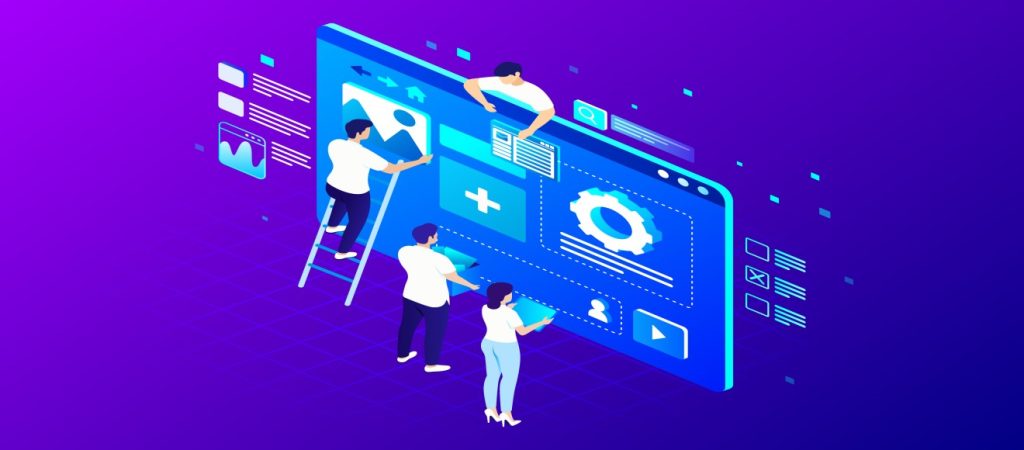
The benefits of responsive web design are crucial for your business’s success in today’s digital landscape. By adopting responsive web design, you can improve user experience, boost engagement, and enhance SEO, all of which lead to a competitive edge. What is Responsive Web Design? Advantages and Disadvantages for Your Business Responsive web design (RWD) is a method used in web development. It makes sure that a website looks good on all devices, like desktops, tablets, and smartphones. This approach uses flexible grids and CSS media queries. The main aim of responsive design is to provide users with easy navigation and readability on any device. They won’t need to zoom in or scroll sideways. Advantages of Responsive Design Mobile-Friendly Design: Since many users browse on their phones, having a mobile-friendly design is super important. RWD adjusts content based on screen size, so there’s no need for separate mobile sites. Design Flexibility: Responsive designs adapt to various screen sizes and orientations easily. This means businesses can share their content effectively, no matter how users access it. Improved User Experience: When a site has a good responsive design, users enjoy browsing more. Consistent functionality across platforms keeps them engaged, so they’re less likely to leave the site. SEO Benefits: Search engines like Google prefer responsive websites. They’re easier for visitors to use across devices. RWD helps improve search rankings since there’s only one URL for each page, which makes link building easier. Cost Efficiency: By maintaining one site instead of several versions, businesses save time and money in both setup and ongoing management. Disadvantages of Responsive Design Even though responsive web design has many perks, some challenges can pop up: Initial Development Time: Setting up a fully functional responsive website may take longer than traditional desktop-only sites due to its complexity. Performance Issues on Older Devices: Some older devices might have trouble loading complex layouts quickly; this could slow down page loading if not optimized well. Limited Control Over Specific Devices: While RWD aims for uniformity, getting perfect alignment or aesthetics can be tricky when viewed on very large or very small screens. In summary, while responsive web design offers great benefits like improved user experience and SEO advantages, businesses should think about potential drawbacks during the initial planning phase. Learn more: Best Practices for Responsive Web Design: Essential Tips by Sunstone Digital Tech Responsive Web Design vs Adaptive Design: Key Differences and When to Choose Which It’s important to know the difference between responsive web design (RWD) and adaptive design (AD) when working on your digital strategy. Key Differences Responsive Layouts: These layouts adjust fluidly according to the user’s screen size using CSS media queries. Adaptive Layouts: Unlike RWD, adaptive designs have fixed layouts tailored for specific screen sizes (like tablet or desktop). Each version detects the device type when loaded instead of adjusting continuously like RWD. Choosing between these two methods depends largely on what your business needs: Use responsive design if you want flexibility across many devices without adding extra maintenance work. Go for adaptive layout if you’re focusing on specific devices where performance at those sizes matters more than overall responsiveness. The Essential Reasons to Use Responsive Web Design in Your Digital Strategy Having responsive web design is key in any modern digital strategy because of its many benefits: Business Growth: Making your site accessible through different channels—whether from desktop or mobile—means you reach more people. This can lead to more conversions! Customer Reach: With one adaptable site, customers can always find what they want while browsing casually on their phone or researching thoroughly from home. User Experience: Great user experiences help keep current customers happy and attract new ones who appreciate easy-to-use designs that focus on responsiveness. SEO Benefits: As mentioned before about search engine preferences for unified URLs versus fragmented approaches; effective implementation here boosts visibility online! How Responsive Web Design Improves User Experience and User Interface Responsive web design is super important today. It helps improve user experience (UX) and user interface (UI). When websites can change to fit different screen sizes, it makes browsing easy and smooth for everyone. This way, users are happy and more engaged. One major perk of responsive web design is that it’s mobile-friendly. Many people use smartphones and tablets to visit sites. So, having a site that works well on these devices is key. Mobile usability keeps navigation simple, buttons easy to click, and content readable without constant scrolling or zooming. Cross-device functionality makes UX even better. Users can start something on their phone and finish it later on their laptop without losing their place. This kind of flexibility keeps users coming back. Design flexibility also helps hold visitors’ interest. A good responsive site changes its layout based on screen size but still looks nice. It avoids the annoyance of seeing broken or weird content, which can make people leave quickly. Boosting Website Engagement with Responsive Design Principles Using responsive design principles can really boost user engagement. This is crucial for website conversion rates. Engaging users takes more than just cool images; you need to create a space where they feel good exploring what you offer. Responsive frameworks let developers make sites that load fast on any device. Fast-loading pages mean less waiting for users, which can lead to longer dwell times—the time visitors spend on your site—making them more likely to convert. High-quality content combined with solid UX principles is necessary for maximum impact. Content should be clear and relevant no matter what device people are using, so messages connect with audiences viewing from desktops or phones. Adding interactive features like quizzes or surveys can make user experiences even better when designed responsively. This keeps visitors engaged longer while collecting helpful data about their preferences for future marketing efforts. Improving Customer Retention Through Superior User Satisfaction Customer retention relies heavily on achieving great user satisfaction through smart web design choices. Mobile optimization techniques are essential for giving users smooth navigation experiences across all platforms. A clear layout helps users find information easily. When customers can quickly get what they need without running into confusing menus or slow loading