


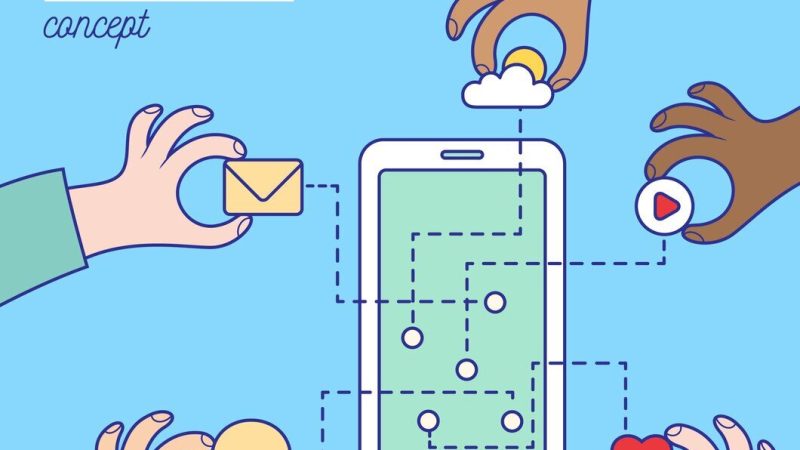



What are the benefits of mobile app development in Rockland County NY for healthcare and professional services? It boosts online presence with SEO, content marketing, and social media management while driving revenue growth through improved lead generation and conversion optimization. Learn more about our mobile app development services in Rockland County.

Freepik
Introduction to Mobile App Development in Rockland County NY for Healthcare and Professional Services
Mobile app development plays a big role in today’s business world, especially in healthcare and professional services. In Rockland County, NY, more people want mobile apps that fit these fields. These apps help users stay engaged and make daily tasks easier with custom mobile app solutions designed for each industry.
Context of Digital Transformation in Healthcare and Professional Services
Healthcare innovation depends a lot on digital transformation. Using AI and automation, companies can improve how they care for patients and run things more smoothly. Digital tools give businesses info they need to make smart choices and grow.
Healthcare IT consulting helps guide this change. It shows organizations how to use technology correctly. Healthtech innovation keeps providers up-to-date and ready for what customers want next.
The Role of Mobile App Development in Enhancing Online Presence and Operational Efficiency
Mobile apps boost online presence by making brands easier to find on different platforms. A good app offers a user-friendly interface that keeps users interested. Also, SEO for healthcare helps these apps reach the right people faster.
Apps also help with content marketing by giving a direct way to talk to patients or clients. Social media management built into the app grows brand awareness. Plus, conversion rate optimization turns visitors into regular users.
Overview of How Mobile Apps Support Digital Marketing, SEO, and Revenue Growth
Mobile apps support digital marketing in professional services well. They allow businesses to run paid advertising campaigns aimed at finding new clients. Apps with analytics tools show how users act—this info is key for improving lead generation.
Using mobile technology lets businesses build scalable applications that grow with their needs. This keeps revenue going up and helps companies stay ahead in tech within their fields.
Key Benefits of Mobile App Development for Healthcare and Professional Services
Enhanced patient and client engagement through tailored mobile solutions
Mobile app development in healthcare and professional services makes the experience personal and easy to use. Apps designed with a patient-centric approach focus on human-centered design. This helps meet individual needs better. Scalable healthcare apps grow alongside organizations without losing quality. Digital health apps bring useful tools like appointment scheduling, reminders, and secure messaging. These keep patients connected and informed. Professional services mobile apps give clients quick access to help and resources. Together, these apps boost satisfaction by offering smooth and clear experiences.
- Personal, user-friendly designs
- Patient-centric, human-centered features
- Scalable healthcare apps for growth
- Appointment scheduling and reminders
- Secure messaging options
- Easy access to support in professional apps
Improved lead generation and conversion optimization via integrated marketing features
SEO for healthcare inside mobile apps helps more people find the service in search results. Content marketing within the app teaches users and nudges them to act with useful info. Social media management tools let users share updates straight from the app, widening reach naturally. Marketing automation for healthcare sends timely messages or offers based on what users do. Paid advertising targets specific groups well to boost these efforts. These combined digital marketing moves guide prospects smoothly toward becoming clients.
- SEO features built-in
- Educational content that drives action
- Social sharing tools inside apps
- Automated follow-ups and notifications
- Targeted paid advertising campaigns
Strengthening online presence with SEO-friendly app components and content marketing integration
A good online presence starts with a solid mobile app user experience. The app should work fast and reliably on any device. SEO-friendly parts like optimized metadata help search engines find the app beyond just websites. Smooth integration links content like blogs or videos within the app to outside platforms too. This keeps branding consistent across places. Reliable performance cuts down bounce rates and helps keep users around longer — a factor search engines notice.
- Fast, reliable user experience
- Optimized metadata inside the app
- Content marketing links between app & web
- Consistent brand messaging
- Lower bounce rates; higher retention
Operational efficiency gains through automation systems and AI tools
Automation built into healthcare apps cuts down manual tasks like confirming appointments or handling bills. Business process automation helps make better use of staff time by reducing repetitive work. AI-powered health apps use artificial intelligence to quickly analyze data, aid diagnosis, or customize treatment plans on the fly. AI assistants answer common questions instantly without needing human help, speeding communication.
- Automates routine medical tasks
- Reduces manual workflows
- Optimizes staff resources
- AI analyzes data fast
- Personalized treatment adjustments
- AI chat assistants improve response times
Data-driven strategies enabled by analytics and marketing automation within mobile apps
Analytics inside mobile apps provide real-time insights about how users behave. This info helps improve service delivery step by step. Business intelligence tools gather data into clear reports that show where to grow or fix issues in healthcare setups focused on patients’ needs. Marketing automation uses these insights to send tailored campaigns based on audience habits found inside professional service apps too. Smart use of analytics guides better decisions leading to measurable growth over time.
- Real-time user behavior tracking
- Actionable reports for decision-makers
- Focus on patient outcomes improvement
- Tailored marketing campaigns from data
- Drives smarter investments & revenue growth
Core Features and Technologies in Healthcare and Professional Services Mobile Apps
Specialized healthcare functionalities: telehealth, remote patient monitoring, appointment scheduling
Healthcare mobile apps now include telehealth platforms that let patients visit doctors virtually. Remote patient monitoring tools keep track of health data all the time. This helps catch issues before they get worse without needing hospital trips. Appointment scheduling apps make booking a breeze for patients and doctors. Medication reminders help people take their meds on time. Clinical communication tools let care teams share info safely and fast. These mHealth solutions improve access to care, cut costs, and boost outcomes.
- Telehealth platforms for virtual visits
- Remote patient monitoring for constant health tracking
- Easy appointment scheduling apps
- Medication reminders to improve adherence
- Clinical communication tools for secure info sharing
Professional services support: client portals, secure communication, document management
Professional service apps offer client portals where users can check documents or manage appointments anytime they want. Secure online payment systems keep money info safe inside the app. Document management features make handling contracts and reports easier and more organized. Secure patient communication channels protect privacy while letting clients and providers chat in real time. These tools help run professional services smoothly and build trust.
- Client portals for document access and appointment control
- Secure online payment options
- Document management for digital contracts and reports
- Safe patient communication channels
Compliance with industry regulations such as HIPAA, GDPR, and relevant standards
Apps made for healthcare must follow rules like HIPAA in the U.S. or GDPR in Europe to keep user data private. HIPAA-compliant apps use strong encryption to lock down stored and sent data. They also control who can see what based on roles in the system. Sticking to these rules avoids legal trouble and makes users trust the app with their health info.
- HIPAA-compliant apps with encryption
- Role-based access controls
- Following HIPAA and GDPR standards
Technology stacks including Flutter, React Native iOS Android AI IoT AR/VR applications
Many healthcare apps now use cross-platform frameworks like Flutter or React Native to work well on both iOS and Android devices without extra effort. Artificial intelligence helps analyze data for better diagnostics or personal recommendations inside AI-powered health apps. The Internet of Medical Things (IoMT) links wearables directly to phones so users can watch vital signs remotely. AR and VR offer interactive training for professionals or therapy sessions for patients.
- Flutter app development for cross-platform builds
- React Native developers for iOS & Android
- AI-powered health apps using predictive analytics
- Internet of Medical Things (IoMT) connects sensors to mobiles
- Augmented reality (AR) & virtual reality (VR) uses
Importance of scalable architecture security protocols user-centric design
Scalable architecture lets healthcare apps grow smoothly as more people use them, especially during busy times like flu season or emergencies. Security steps include multi-factor authentication plus end-to-end encryption to guard privacy at every step according to laws. User-friendly design means easy navigation based on human-centered ideas so everyone can use the app without hassle. The app fits into daily life naturally, keeping medical info clear.
- Scalable healthcare apps that handle growth well
- Multi-factor authentication and strong encryption
- User-friendly design with intuitive navigation
- Human-centered design principles for all ages
- Seamless integration into daily routines
Mobile App Development Process Tailored for Healthcare and Professional Sectors
Mobile app development for healthcare and professional sectors needs to be secure and easy to use. These apps must scale well and follow strict rules. Agile methods help teams improve apps step by step. Skilled developers make sure the app keeps up with changing needs.
Initial Research and Analysis Focused on Healthcare and Professional Services Needs
Good healthcare software development starts with solid research. Experts in healthcare IT consulting guide the project early on. They focus on security, compliance, and user needs from the start. Using data-driven insights helps pick important features. Following regulations keeps patient info safe.
- Study sector challenges closely
- Use healthcare IT consulting advice
- Focus on security and usability
- Apply data-driven insights
- Follow regulatory rules for safety
Project Planning with Compliance and Security Priorities
Planning targets building apps that meet HIPAA rules. It also considers privacy laws like GDPR when needed. The goal is to reduce risks with secure design. Teams write down HIPAA regulations clearly. This helps everyone know what’s required to protect health info.
- Design HIPAA-compliant apps
- Consider GDPR and other privacy laws
- Build secure architecture to cut risks
- Document HIPAA rules clearly
- Keep sensitive data protected
Application Development Emphasizing Cross-Platform Functionality and Integration Capabilities
Cross-platform app development lets apps run on many devices easily. Frameworks like Flutter or React Native make this possible. Developers for iOS and Android work together here. They keep performance steady across platforms. Apps also connect well with existing systems to help workflows.
- Build cross-platform apps with Flutter or React Native
- Include iOS app developers and Android app developers
- Ensure consistent performance everywhere
- Connect apps to current systems smoothly
Thorough Testing Phases Including Security Audits and Usability Testing with Stakeholders
Healthcare app testing checks security hard before release. Teams run security audits to find any weak spots early. Testing covers many platforms to confirm reliability everywhere. They also test usability by asking stakeholders for feedback. This process shapes an app that works well in real clinics.
- Perform strict security audits pre-launch
- Test on all platforms (platform agnostic testing)
- Check reliable performance across devices
- Involve stakeholders in usability tests
Launch Strategy Incorporating SEO and Digital Marketing Alignment
Launching a healthcare app means using smart SEO methods aimed at health users. Content marketing educates people about the app’s benefits clearly. Social media helps reach more potential users fast. Conversion rate optimization tries to turn visitors into active users or clients quickly. Paid ads support targeted promotion too.
- Apply SEO focused on healthcare topics
- Use content marketing to inform users
- Manage social media channels actively
- Optimize conversion rates carefully
- Run paid advertising campaigns
Post-Launch Support Ensuring Performance Optimization and Regulatory Updates
After launch, teams keep fixing bugs right away through proactive maintenance. They upgrade the app regularly to match new tech or rules changes. Constant monitoring makes sure the app runs smoothly over time. Staying up-to-date helps keep user trust in sensitive fields like healthcare.
- Provide ongoing bug fixes quickly
- Do continuous upgrades for rules and tech
- Monitor performance regularly
- Maintain compliance with new regulations
Integration and Interoperability Considerations
Essential integrations with Electronic Health Records (EHR), Healthcare CRM, and analytics platforms
Mobile health solutions work best when they link up with Electronic Health Records (EHR). This connection helps patient data move smoothly between mobile apps and doctors’ records. It cuts down on mistakes and boosts care quality. Healthcare CRM tools keep track of patient communication and help build better relationships. Adding healthcare analytics gives providers data-driven insights. These insights support clinical decision support systems that guide treatment choices. When healthcare software integrates well, it allows easy health information exchange across teams. This makes daily operations more efficient.
- Mobile health solutions link with EHR for smooth data flow
- Healthcare CRM manages patient contact and history
- Analytics platforms offer useful insights from data
- Clinical decision support systems improve treatment
- Integration boosts health info exchange between departments
APIs facilitating data exchange and system interoperability
APIs let different healthcare systems share data in real time. This API integration lets apps talk to each other without slowing down work. They create seamless interoperability by connecting tools quickly. Secure data exchange protects patient info while allowing fast access. Using APIs helps organizations keep their systems updated together. This improves care coordination across platforms.
- APIs enable real-time sharing of data
- API integration connects apps without disrupting tasks
- Secure data exchange keeps info private and safe
- Interoperability happens smoothly through APIs
Compatibility with third-party applications and medical devices
When building mobile apps, you have to think about how well they work with third-party apps and medical devices. Devices like biometric sensors or wearable health technology send important health data automatically. Internet of Medical Things (IoMT) devices let users monitor their health continuously from afar. Medical device integration sends vital signs straight to mobile apps or EHRs so doctors get updates fast.
- Apps must work well with third-party software
- Biometric devices provide automatic health tracking
- IoMT devices capture ongoing health info remotely
- Medical device integration sends vitals directly to systems
Cloud integration for secure data storage and access
Cloud-based healthcare solutions offer storage that grows as needed. They keep patient information safe with strong security measures. Cloud healthcare solutions let authorized people check records anytime, anywhere. This helps care teams work together without risking privacy or breaking rules like HIPAA.
- Cloud storage scales easily for healthcare needs
- Strong security protects sensitive patient info
- Authorized users access records from any place
- Cloud tools support teamwork while staying compliant
Ensuring seamless workflows between mobile apps and existing healthcare/professional service systems
Healthcare workflow automation links mobile apps to existing systems like billing or scheduling software. It reduces manual work by automating routine tasks. Clinical workflow automation speeds up things like managing appointments or renewing prescriptions. This helps providers get more done and patients have a smoother experience.
- Workflow automation connects apps with current systems
- It cuts down on manual entries and errors
- Clinical automation quickens appointment and prescription handling
- Results are better productivity and easier patient care
Sunstone Digital Tech works on tying these pieces together so businesses can get the most from mobile app development in healthcare’s complex setup.
Outcomes and Value Propositions for Stakeholders
Benefits for Patients and Clients Including Improved Access, Engagement, and Personalized Experiences
Mobile apps make healthcare easier to reach anytime. Mobile health engagement tools let patients track their health and get reminders that fit their needs. Patient portals give quick access to medical records and appointment schedules. These features help people stay involved in their care and promote healthy lifestyles. Apps also speed up timely diagnostics so doctors can adjust treatment plans faster. Overall, they put better care right at patients’ fingertips. Here’s what they offer:
- Easy access to care whenever needed
- Tools to boost patient engagement
- Personalized reminders and tips
- Quick access to test results and diagnostics
- Help with managing health proactively
Advantages for Healthcare Professionals and Service Providers Through Streamlined Operations and Enhanced Communication
Mobile apps support healthcare providers by cutting down routine tasks. Clinical communication tools let staff talk instantly, helping teams work together smoothly. This streamlines processes and saves time by avoiding manual errors. Providers can focus more on patients when workflows run efficiently. The tech also ensures reliable performance across different areas of care. Key benefits include:
- Automation of repetitive tasks
- Faster communication between clinicians
- Better use of resources like staff time
- Reduced paperwork and delays
- Smooth workflows for improved patient care
Opportunities for Business Growth Driven by Data Insights and Optimized Digital Marketing Campaigns
Businesses gain a lot from data insights collected through digital tools. SEO for healthcare makes it easier for people to find services online when searching. Content marketing builds trust by sharing useful information that answers common questions. Paid ads help reach the right audience quickly. Social media management grows connections with current and potential clients. Plus, conversion rate optimization helps turn visitors into actual customers. The main points:
- Use data to improve marketing strategies
- Increase visibility with SEO tailored to healthcare
- Share helpful content that builds confidence
- Target ads precisely to key groups
- Engage communities via social platforms
- Turn clicks into loyal clients efficiently
Cost and Process Efficiencies Realized Through Automation and Technology Adoption
Automation changes how healthcare works by handling many manual tasks automatically. It speeds up appointment booking, billing, and other processes that used to slow things down. Healthcare workflow automation reduces mistakes caused by human error too. Business process automation cuts costs but keeps quality high. These solutions scale easily as demand grows without extra hassle.
Benefits include:
- Faster task completion across departments
- Fewer errors from manual work
- Lower operational costs without losing quality
- Ability to grow without big new expenses
Strategic Role of Mobile App Development in Sustaining Competitive Advantage in Rockland County NY Markets
In Rockland County NY, mobile apps help local providers stay ahead by offering smart, scalable solutions. Technical expertise allows developers to create apps that fit regional needs perfectly—from booking appointments to remote monitoring features. These apps improve service quality while attracting new clients who want easy, modern ways to manage their health.
Key advantages are:
- Custom apps built for Rockland County users
- Scalable technology that grows with demand
- Innovative features tailored to local care delivery
- Better client attraction through convenient digital tools
What is healthcare app testing and why is it crucial for mobile healthcare software?
Healthcare app testing ensures apps meet security and usability standards. It finds vulnerabilities and checks compliance with regulations. This process protects patient data and enhances app performance.
How do patient data encryption and healthcare app security protect sensitive information?
Patient data encryption converts information into unreadable code. Healthcare app security uses encryption alongside multi-factor authentication to block unauthorized access, ensuring privacy and trust.
What role does healthcare workflow automation play in improving operational efficiency?
Healthcare workflow automation reduces manual tasks like appointment booking and billing. It speeds processes, cuts errors, and frees staff to focus on patient care, boosting productivity.
Why is HIPAA and GDPR compliance vital in healthcare mobile solutions?
HIPAA and GDPR compliance ensure apps handle health data lawfully. Compliance avoids legal issues and builds user confidence by safeguarding personal information according to strict rules.
How do AI and machine learning enhance health-tech app trends?
AI analyzes health data quickly for diagnostics or treatment suggestions. Machine learning helps apps adapt to user needs, improving personalized care and proactive health management.
What benefits do teleconsultation features bring to healthcare organization apps?
Teleconsultation allows virtual visits, expanding access to care. It saves time for patients and providers while maintaining quality, especially in remote or busy regions.
How does healthcare software integration with EHR access improve patient outcomes?
Integration with EHR systems enables seamless data sharing between apps and records. This coordination reduces errors, supports timely decisions, and improves overall care quality.
What are key components of medical staff mobile apps that enhance communication?
Medical staff apps include secure messaging, real-time notifications, and clinical tools that facilitate fast collaboration. These features streamline workflows across departments.
Why is healthcare system scalability important for digital health solutions?
Scalable systems adapt easily as user demand grows without losing performance or security. This flexibility supports expanding services and sustained business growth.
How does marketing automation for professionals drive healthcare business growth?
Marketing automation sends targeted campaigns based on user behavior. It nurtures leads efficiently, increasing conversions while saving time on repetitive tasks.
Additional Essential Insights on Healthcare Mobile Development
- Health information exchange boosts coordination between providers by enabling fast, secure data sharing.
- Patient adherence tools support medication schedules through reminders and progress tracking.
- Healthcare mobile user experience relies on simple navigation and intuitive design for all users.
- Healthcare app performance optimization maintains fast load times across devices to reduce bounce rates.
- Medical coding and billing automation streamlines administrative tasks to minimize errors and speed reimbursements.
- Cloud healthcare solutions provide flexible storage with strong encryption to protect patient records at scale.
- Biometric device integration allows continuous monitoring through wearables synced directly with mobile apps.
- Healthcare CRM manages patient interactions effectively, improving service quality through personalized communication.
- Clinical workflow automation accelerates prescription renewals, test orders, and appointment management seamlessly.
- Telemedicine software platforms connect patients with providers remotely for consultations anytime, anywhere.
Sunstone Digital Tech excels in delivering these advanced capabilities to Rockland County’s healthcare sector, enabling secure, scalable, compliant mobile solutions tailored to professional needs.